AI and Stock Aren't the Problem. Faking "Real" Is.
AI and Stock Aren't the Problem. Faking "Real" Is.
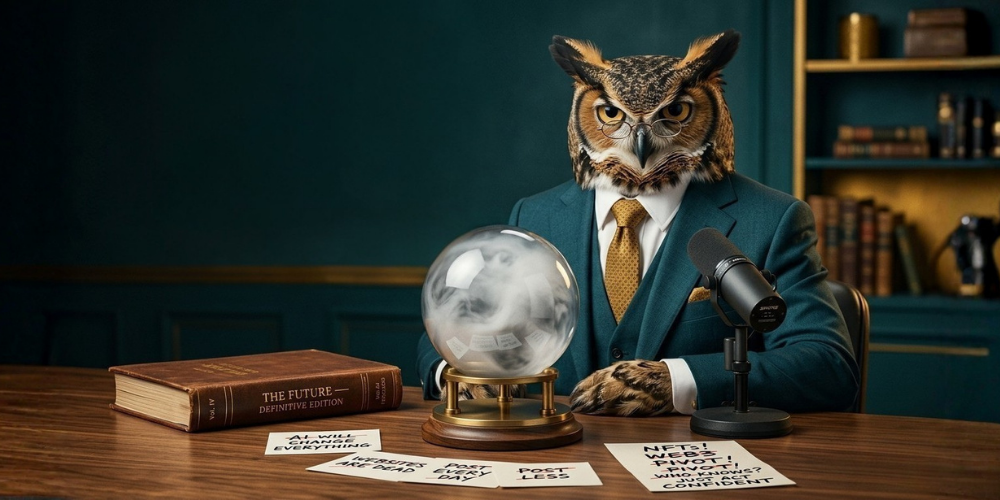
Every January a trend piece lands telling us authenticity is back, AI and stock are out, and we should all go back to basics like it's 2011 and we're shooting on an iPhone 4 in a café.
I call bollocks. Not on the trust bit. Trust matters, obviously. On the idea that the tool is what's breaking it.
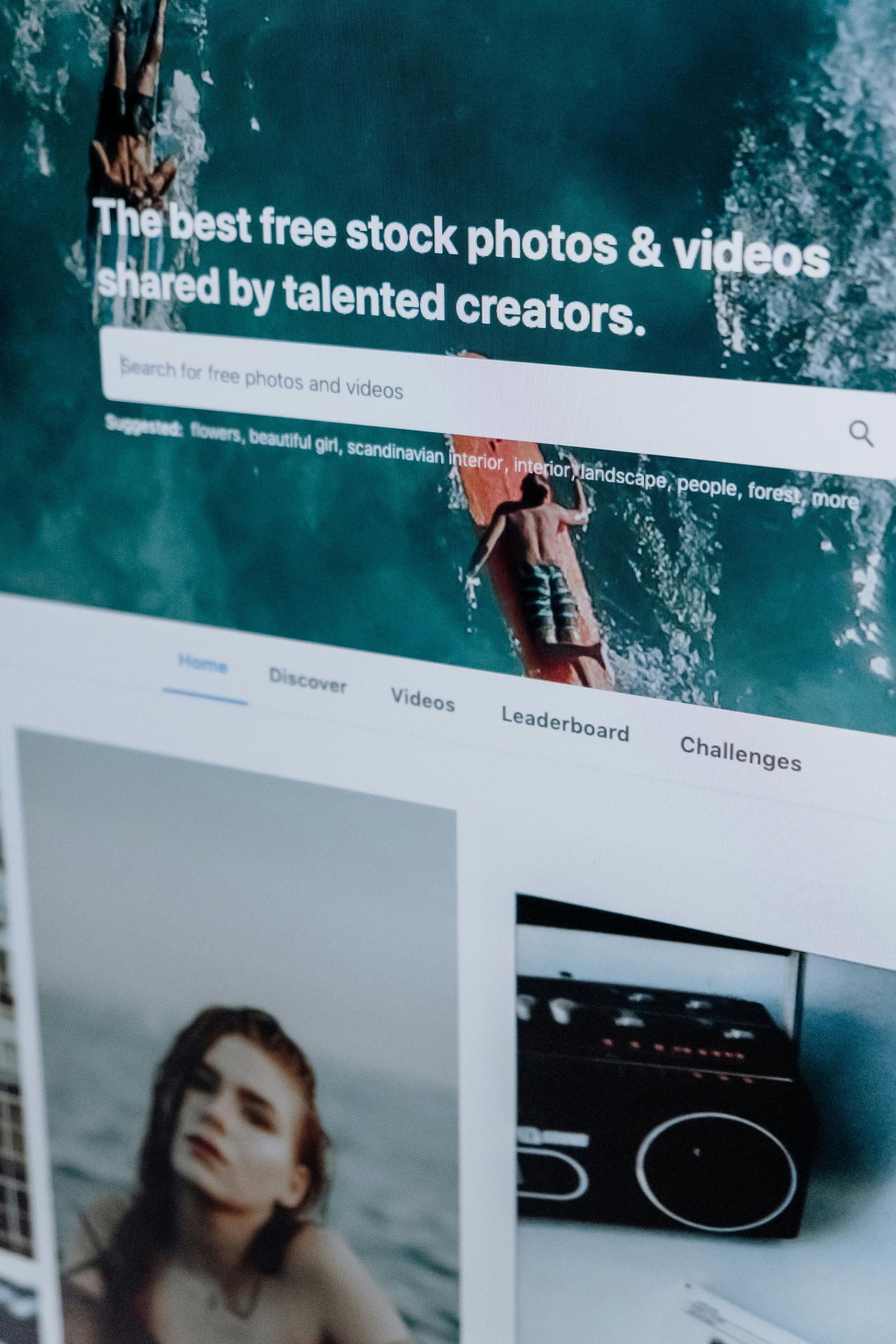
A client rang us a while back to ask if they were still "allowed" to use stock backgrounds on their social posts. She'd read one of these pieces and felt a bit told off. Lovely question. Completely wrong thing to worry about. So here's where the line actually sits, according to the people who went and measured it instead of having a feeling about it.
Good news: nobody's fooled
A mob called Cashew asked 2,149 people across Canada and the US about this in August. 87% already assume the ads, posts and product shots they see from brands have had AI somewhere in the mix. Only 13% reckon they could confidently point at which bits.
Eighty-seven percent. That's not suspicion, that's the default setting people carry into every scroll.
Then Nielsen Norman Group did the lab version, same month. They sat 77 people in front of six versions of the same consulting firm's homepage. Three had AI-generated hero images, three had real stock. Nobody was told AI was involved at all. The AI pages came out the same or a smidge better on trust, professionalism and authenticity. The only gap that was statistically real was authenticity, and it was 0.4 of a point on a scale of seven. Which is, in technical terms, bugger all.
So: people assume AI is in there, they can't actually pick it, and when they don't know, they don't hold it against you.
That's the bit the trend pieces have missed.
Bad news: I'd be doing the exact same thing if I stopped there
Because in June, Harris Poll went out with the 4As and Infillion and got these: 78% say AI makes ads feel less authentic. 73% would be less likely to trust an ad they suspected was AI-made. 63% would be less likely to buy from the brand behind it.
Both sets of numbers are true. On their own, both are half a story, which is how everyone ends up shouting past each other about this.
Put them together and it's pretty simple. AI costs you nothing while it's invisible. It costs you a fortune the second somebody notices. NN/g said as much in their own write-up: the finding holds while users don't know the source.
So the question was never "should I use AI." It's "will anyone clock it, and what happens when they do."
Three ways to get clocked
In order of how much it'll hurt.
One. Faking an actual human. A testimonial from a client who doesn't exist. A "customer" who's a stock model in a lanyard with a name tag saying Sarah. A review quote you assembled yourself because the real ones are a bit thin this month and you didn't want to wait.
Getty asked more than 30,000 adults across 25 countries about this and the answer was unambiguous: people go off brands hardest when AI is standing in for real people and real products. Not backgrounds. Not gradients. People.
It's also the one that gets found out. Screenshots exist. People talk. Someone eventually asks the real Sarah if she remembers saying that, and she doesn't, because she's not real.
Two. Being rubbish. Seven fingers. Faces doing something faces don't do. That glazed, plasticky nothing-ness that reads as AI from ten feet away. Nobody on earth is auditing the gradient behind your text. They will absolutely notice an image that looks like a machine couldn't be bothered. And once someone's noticed one thing, they start hunting for the next one.
Three. Making AI the whole pitch. Two thirds of the Harris respondents want brands to stop banging on about AI altogether. Slapping "AI-powered" on your homepage isn't the flex you think it is. It's the marketing equivalent of telling everyone you've got a thermomix.
The four second test
Before anything leaves the building, ask one thing: is this standing in for something that's meant to be real?
Yes? Testimonial, review, face, before-and-after, a results number. It has to actually be real. No AI-assisted "inspired by a real client" fudge. No stock photo in a lanyard. This is the bit where trust lives or dies and it is genuinely not worth the gamble.
No? Background, supporting graphic, a bit of visual texture holding a post together. Use whatever gets it done well and on time. Then have one more look and make sure it's good enough that nobody stops to wonder how it was made.
Two buckets. One rule each. Much easier than trying to hold a single grand opinion about "AI in marketing," which is impossible, because it isn't one thing. It's a toolbox. Toolboxes don't get moral judgements. What you build with them does.
Where we land
We use AI and stock. Backgrounds, supporting graphics, the visual filler that holds a post together when the deadline's today and there is no client photo in existence. That's not a confession, that's just how content gets made when you're running a business and not a full-time studio with a photographer on retainer.
What we don't do is fake the real stuff. Reviews come off actual Google reviews, in the words the client actually used, not tidied up into something punchier. Testimonials come from clients who exist and know we're using them. When we show you our work, it's our work.
One number cuts against me here, and I'd rather hand it to you than have you find it on your own: that same Getty research found nearly 90% of people want to be told when an image is AI-generated, and 78% reckon an AI image can't be called authentic at all, full stop. I'm not going to pretend that isn't there. Disclosure rules are heading the same way anyway.
Which is why everything above is a floor, not a ceiling. The businesses that were already straight about what's real won't have to change a thing when the labels turn up. Everyone else is in for a fun week.
So, the short version
Use the tools. Save yourself the time. Make sure the output is good enough that nobody squints at it. And don't let them write your reviews or invent your customers.
That's not a sneaky loophole in the trust trend. It's just where the line actually sits, once you get past the version that fits nicer in a listicle.
More musings...